目录
本文梳理React状态管理的一些方案,包括以下内容
Context用法redux使用和简易实现mobx介绍
使用React开发一个页面,我们通常将一个页面划分若干个区域(这些区域存在嵌套关系,一个父区域可能包含多个子区域)。每个区域对应一个组件,每个组件可能有一些状态。
- 只属于该组件的状态用
state表示- 兄弟组件之间的状态需要提取到父组件中,用
state表示,使用props向下传递- 不同层级组件之间的状态,如果提取到祖先组件的
state中,props往下传递会非常冗肿,React官方提供了Context方案,解决跨组件通信问题。
Context
Context提供了一个无需为每层组件手动添加 props,就能在组件树间进行数据传递的方法。
何时使用Context
Context 设计目的是为了共享那些对于一个组件树而言是“全局”的数据,例如当前认证的用户、主题或首选语言。
使用Context之前的考虑
Context主要应用场景在于很多不同层级的组件需要访问同样一些的数据。请谨慎使用,因为这会使得组件的复用性变差。
如果你只是想避免层层传递一些属性,组件组合(component composition)有时候是一个比 context 更好的解决方案。
基本使用
官方给了一个theme案例,非常清晰,这里为了讲下面的内容还是把代码贴出来
jsximport React from "react";
// Context 可以让我们无须明确地传遍每一个组件,就能将值深入传递进组件树。
// 为当前的 theme 创建一个 context(“light”为默认值)。
const ThemeContext = React.createContext('light');
export default class App extends React.Component {
  render() {
    // 使用一个 Provider 来将当前的 theme 传递给以下的组件树。
    // 无论多深,任何组件都能读取这个值。
    // 在这个例子中,我们将 “yellow” 作为当前的值传递下去。
    return (
      <ThemeContext.Provider value="yellow">
        <Toolbar />
      </ThemeContext.Provider>
    );
  }
}

// 中间的组件再也不必指明往下传递 theme 了。
function Toolbar() {
  return (
    <div>
      <ThemedButton />
    </div>
  );
}

class ThemedButton extends React.Component {
  // 指定 contextType 读取当前的 theme context。
  // React 会往上找到最近的 theme Provider,然后使用它的值。
  // 在这个例子中,当前的 theme 值为 “yellow”。
  static contextType = ThemeContext; // 固定写法,感觉像hack
  render() {
    return <button style={{backgroundColor: this.context}}>ThemedButton</button>;
  }
}

// 使用context步骤
// 1. 创建 createContext
// 2. Provider接收value,以保证有传下去的数据
// 3. 接收 Consumer或者class.contextType
上述案例有个梗,
static contextType = ThemeContext;注入 this.context获取,这是react的固定写法
该方式并不适用Function组件。
Function组件如何使用?
修改ThemedButton为function
jsxfunction ThemedButton() {
  let bgColor = React.useContext(ThemeContext);
  return <button style={{backgroundColor: bgColor}}>
      ThemedButton
  </button>;
}
多个context使用案例
用户信息和主题色是项目中常用的两个全局状态
jsxconst ThemeContext = React.createContext('light');
const PersonContext = React.createContext('XXX');
function Ancestor() {
    const [color, setColor] = React.useState('yellow');
    const [person, setPerson] = React.useState({name: 'zs', age: 12})

    return <ThemeContext.Provider value={color}>
        <button onClick={() => setColor(color === 'yellow' ? 'blue' : 'yellow')}>修改颜色</button>
        <button onClick={() => setPerson(Object.assign({}, person, {
            name: person.name === 'zs' ? 'ls' : 'zs'
        }))}>修改Person</button>

        <PersonContext.Provider value={person}>
            <Parent></Parent>
        </PersonContext.Provider>
    </ThemeContext.Provider>
}
function Parent() {
    return <Child/>
}
class Child extends React.Component {
    render() {
        return (
        <div>
            <h3>MultiContextUse</h3>
            <ThemeContext.Consumer>
            {theme => (
                <PersonContext.Consumer>
                {user => <div style={{backgroundColor: theme}}>{user.name}</div>}
                </PersonContext.Consumer>
            )}
            </ThemeContext.Consumer>
        </div>
        );
    }
}
const root = ReactDOM.createRoot(document.getElementById('root'));
root.render(<Ancestor/>);
多个context使用 通过Context.Consumer标签来接收内容,符合JSX语法。
注意事项
- 要把value 状态提升到父节点的 state里面 原因
总结
在React的官方文档中, Context 被归类为高级部分,属于React的⾼级API,但官⽅并不建议在稳定版的App中使用Context。
不过,这并非意味着我们不需要关注 Context 。
事实上,很多优秀的React组件都通过Context来完成⾃己的功能,
- ⽐如
react-redux的<Provider />,就是通过Context提供一个全局态的store, - 路由组件
react-router通过Context管理路由状态等。
在React组件开发中,如果用好 Context ,可以让你的组件变得强⼤,而且灵活。
函数组件中可以通过useContext引⼊上下文。
redux
redux是JavaScript应⽤的状态容器。它保证程序⾏为⼀致性 且易于测试。
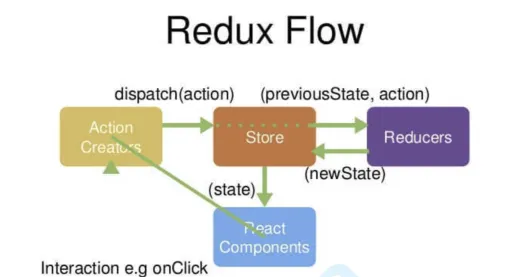
介绍
你可能不需要redux Redux 是负责组织 state 的工具,但你也要考虑它是否适合你的情况。不要因为有⼈告诉你要用 Redux就去用,花点时间好好想想使⽤了 Redux 会带来的好处或坏处。
在下⾯的场景中,引入 Redux 是⽐较明智的:
- 你有着相当大量的、随时间变化的数据;
- 你的 state 需要有一个单一可靠数据来源;
- 你觉得把所有 state 放在最顶层组件中已经无法满足需要了。
- 某个组件的状态需要共享。
以上内容摘抄自官网
redux 是 JavaScript应⽤的状态容器,提供可预测化的状态管理。它保证程序行为一致性且易于测试。
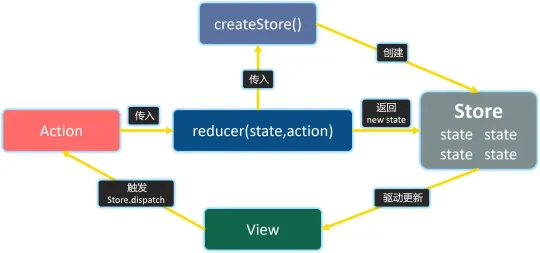
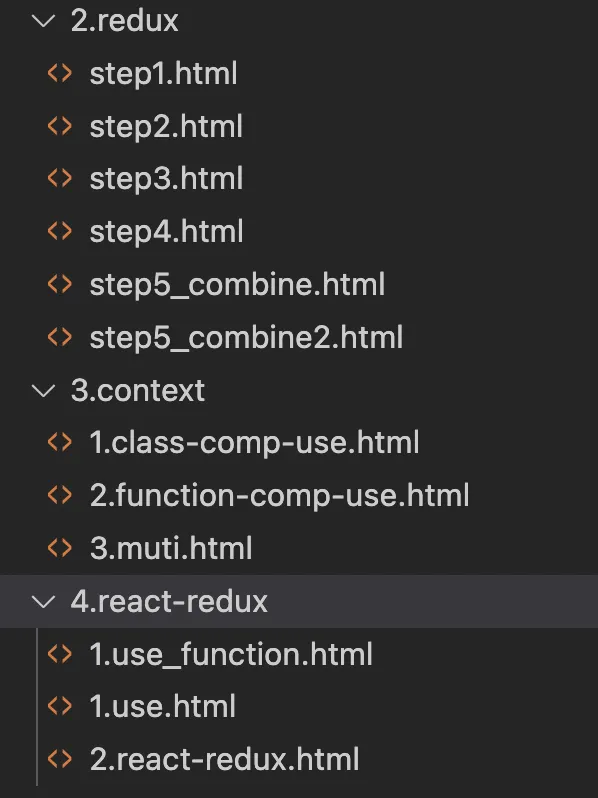
手写redux
这里写了一下redux, react-redux的简易实现
react-redux
使用
jsx// redux 完整使用
import React, {Component} from "react";
import {bindActionCreators} from 'redux'

import {connect} from 'react-redux'
// connect帮组⼦组件与store链接,其实就是⾼阶组件,这⾥返回的是⼀个新的组件
export default connect(
    // mapStateToProps Function (state, [ownProps])
    // state => ({count: state}),
    // !谨慎使⽤ownProps,如果它发⽣变化,mapStateToProps就会执⾏,⾥⾯的state会被重新计算,容易影响性能
    (state, ownProps) => {
        // console.log('mapStateToProps ownProps ', ownProps);
        return {
            count: state
        }
    },
    // mapDispatchToProps Object/Function 如果不定义 默认把dispatch注⼊组件
    // 如果是对象的话,原版的dispatch就没有被注⼊了
    // {
    //     add: () => ({type: 'ADD'})
    // },
    //  Function (dispatch, [ownProps])
    //  !谨慎使⽤ownProps,如果它发⽣变化,mapDispatchToProps就会执⾏,容易影响性能
    (dispatch) => {
        let res = {
            add: () => ({type: "ADD"}),
            minus: () => ({type: "MINUS"})
        };
        res = bindActionCreators(res, dispatch);
        return {
            dispatch,
            ...res
        };
    },
    // mergeProps Function
    // 如果指定了这个参数,`mapStateToProps()` 与 `mapDispatchToProps()` 的执⾏结果和组件⾃身的 `props` 将传⼊到这个回调函数中。
    // (stateProps, dispatchProps, ownProps) => {
        // console.log("mergeProps", stateProps, dispatchProps); //sy-log
        // return {omg: "omg", ...stateProps, ...dispatchProps};
    // }
)(class ReactReduxPage extends Component{
    render() {
        // console.log(this.props);
        const {count, dispatch, add, minus} = this.props;
        return <div>
            <h3>ReactReduxPage</h3>
            <p>{count}</p>
            <button onClick={() => dispatch({type: "ADD"})}>
                add use dispatch
              </button>
            <button onClick={add}>add</button>
            <button onClick={minus}>minus</button>
        </div>
    }
});
简易实现
jsximport React, {Component} from 'react';
const ValueContext = React.createContext();

export const connect = (
    mapStateToProps = state => state,
    mapDispatchToProps,
) =>  WrapperComponent => {
    return class extends Component {
        static contextType = ValueContext;
        constructor(props) {
            super(props);
            this.state = {
                props: {}
            };
        }
        componentDidMount() {
            this.update();
            const {subscribe} = this.context;
            subscribe(() => {
                this.update();
            })
        }
        update () {
            const {getState, dispatch} = this.context;
            const stateProps =
                mapStateToProps(getState());
            let dispatchProps;
            if(typeof mapDispatchToProps === 'function') {
                dispatchProps = mapDispatchToProps(dispatch, this.props)
            } else if (typeof mapDispatchToProps === 'object') {
                dispatchProps = bindActionCreators(mapDispatchToProps, dispatch)
            } else {
                dispatchProps = {
                    dispatch,
                }
            }
            this.setState({
                props: {
                    ...stateProps,
                    ...dispatchProps,
                }
            })
        }
        render () {
            return <WrapperComponent {...this.props} {...this.state.props}/>;
        }
    }
}

export class Provider extends Component {
    render () {
        return <ValueContext.Provider value={this.props.store}>
            {this.props.children}
        </ValueContext.Provider>;
    }
}

function bindActionCreators(creators, dispatch) {
    const obj = {}
    for(let prop in creators) {
        obj[prop] = bindActionCreator(creators[obj], dispatch)
    }
    return obj;
}
function bindActionCreator(creator, dispatch) {
    return (...args) => dispatch(creator(args))
}
mobx
先来看一下官方定义
- redux JavaScript应用可预测的状态管理容器
- mobx
简单可扩展的状态管理
已有了redux为什么还有mobx?
- 在react生态中,redux可谓是状态管理中的霸主了,mobx则是一方诸侯。
- redux上手相对简单,而mobx,API较多,相对复杂一些。
- redux强调数据不可变,方便数据追溯,很容易实现时间旅行的功能;mobx中数据是可变的,然而时间回溯代价就很高。
- redux并知道state是否发生变化,dispatch的时候会更新所有的订阅者,你需要通过拆分store或使用shouldComponentUpdate周期进行优化
- mobx中的数据是响应式的,会进行依赖收集(与vue思想类似),知道要更新哪些内容,所以对于复杂应用,mobx不需要做过多处理就能达到很好的性能。
总结: 对于一般应用而言使用redux即可,对于复杂或性能要求较高的业务场景则使用mobx。
参考资料:我为什么从redux迁移到了mobx
使用案例
- 接入准备
npx create-react-app XXXcd XXX && npm i && npm ejectnpm i mobx mobx-react- 修改
package.jsonbabel增加plugins
json[
  "@babel/plugin-proposal-decorators",
  {
    "legacy": true
  }
]
- 代码示例
App.js
jsximport React from 'react';
import { makeObservable, observable, action } from 'mobx';
import { Observer } from 'mobx-react';
class App extends React.Component {
    constructor(props) {
        super(props);
        makeObservable(this);
    }
    @observable
    count = 0;

    @action
    add = () => {
        ++this.count;
    }
    render() {
        return <Observer>
            {
                () => <div>
                    <p>{this.count}</p>
                    <button onClick={this.add}>ADD</button>
                </div>
            }
        </Observer>
    }
}

export default App;
完整案例, 点击这里
聊一聊数据流管理方案
函数式 vs 面向对象
函数式的优势
- 纯函数无副作用,可时间回溯,适合并发
- 数据流变化处理很拿手,比如rxjs
- 对于复杂数据逻辑、科学计算的开发和维护效率更高
面向对象的优势
- javascript的鸭子类型,标明它基于对象,不适合完全函数式的表达
- 数学思维和数据处理适合函数式,技术是为业务服务的,而业务模型适合用面向对象。
- 业务开发和做研究不同,逻辑严谨的函数式相当完美,但别指望每个程序员都愿意消耗大量脑细胞解决日常业务问题。
Redux vs Mobx
| Redux | Mobx |
|---|---|
| 数据流程很自然,需要依据对象引用是否变化来控制更新粒度。 | 数据流流动不自然,只有用到的数据才会引发绑定,局部精确更新,但免去了粒度控制烦恼。 |
| 如果充分利用时间回溯的特征,可以增强业务的可预测性与错误定位能力 | 时间回溯能力较为复杂 |
| 时间回溯代价很高,因为每次都要更新引用,除非增加代码复杂度,或使用 immutable。 | 自始至终一份引用,不需要 immutable,也没有复制对象的额外开销。 |
| 时间回溯的另一个代价是 action 与 reducer 完全脱节,数据流过程需要自行脑补。原因是可回溯必然不能保证引用关系。 | 数据流动由函数调用一气呵成,便于调试。 |
| 引入中间件,其实主要为了解决异步带来的副作用,业务逻辑或多或少参杂着 magic。 | 业务开发不是脑力活,而是体力活,少一些 magic,多一些效率。 |
| 但是灵活利用中间件,可以通过约定完成许多复杂的工作。 | 由于没有 magic,所以没有中间件机制,没法通过 magic 加快工作效率(这里 magic 是指 action 分发到 reducer 的过程)。 |
| 对 typescript 支持困难。 | 完美支持 typescript。 |
本文作者:郭敬文
本文链接:
版权声明:本博客所有文章除特别声明外,均采用 BY-NC-SA 许可协议。转载请注明出处!